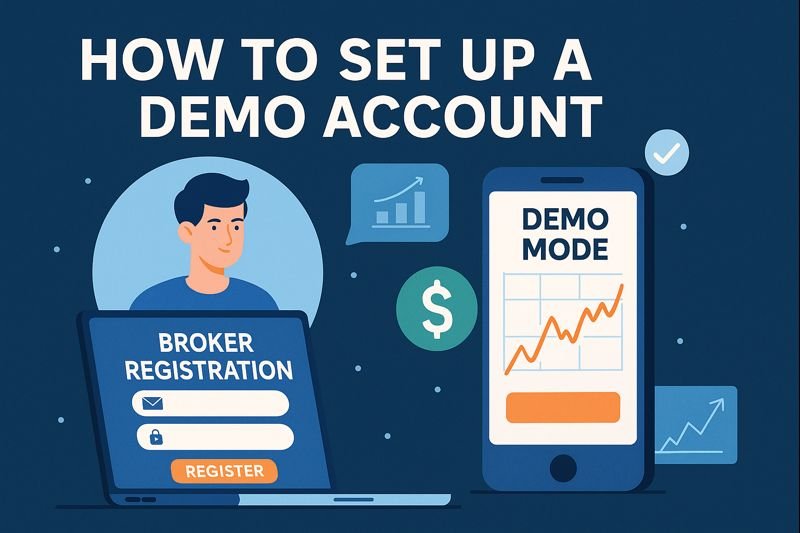
Learning how to set up a demo account is one of the most important first steps for new crypto traders in 2026. A demo account, also known as a paper trading account, allows you to practice buying and selling crypto using virtual money. This means you can test strategies, understand market behavior, and build confidence without risking your savings.
Many professional traders started with demo accounts before moving into live markets. Today, platforms like Crypto24x7 make demo trading easier by providing free learning resources, market screeners, safety tools, and practice environments that help beginners prepare for real-world trading.
This guide explains how to set up a demo account step-by-step, why it matters, and how to pair it with the right tools to become a confident and skilled trader.
What Is a Demo Trading Account?
A demo account simulates real market conditions but uses virtual money instead of real capital. You can:
-
Buy and sell cryptocurrencies
-
Use limit, market, stop-loss, and take-profit orders
-
Track your portfolio
-
Test strategies
-
Analyse charts and indicators
All without risking real funds.
This makes demo accounts ideal for beginners who want to learn safely or experienced traders testing new strategies.
Why Demo Trading Is Important in 2026
Crypto trading is faster, more complex, and more volatile than ever. New coins launch daily, indicators evolve, and scam risks continue to grow. Practicing through a demo account has become essential for several reasons:
-
Market volatility is high
-
Liquidity varies across exchanges
-
Price swings happen quickly
-
Technical indicators require practice
-
Traders need risk management discipline
-
Scams and unsafe tokens are common
A demo account provides a safe environment to learn how markets behave before committing real capital.
Step-by-Step Guide: How to Set Up a Demo Account
Setting up a demo account is simple and takes only a few minutes. Here is the complete step-by-step process.
1. Choose a Reliable Trading Platform
Start by selecting a reputable platform that offers demo trading. Some common options include:
-
Binance (Futures Testnet)
-
Bybit (Demo Mode)
-
Phemex (Mock Trading)
-
eToro (Virtual Portfolio)
-
TradingView (Paper Trading)
-
Crypto24x7 (Learning ecosystem with tools + demo practice workflows)
Consider the following when choosing a platform:
-
User interface
-
Type of assets supported
-
Real-time price accuracy
-
Features like indicators, paper trading, or futures simulation
-
Reputation and security
Beginners often prefer TradingView and eToro for simplicity, while intermediate traders use platforms like Bybit or Phemex for advanced features.
2. Create an Account
Once you choose a platform, register by providing:
-
Email
-
Password
-
Basic personal information
Most brokers allow demo trading without KYC (identity verification). However, full platform access may require verification later.
After registration, log in and navigate to the main dashboard.
3. Select Demo or Paper Trading Mode
Every platform labels it differently, but the function is the same.
Examples:
-
Crypto24x7→ “Paper Trading”
-
TradingView → “Virtual Portfolio”
-
Bybit → “Mock Trading”
-
Binance → “Futures Testnet”
-
Phemex → “Demo Account”
Once you activate demo mode, you will be taken to a simulated trading environment.
4. Access Your Virtual Balance
Most demo accounts provide virtual funds such as:
-
$10,000
-
$50,000
-
$100,000
These funds are fake but allow you to practice as if you were trading real money.
You can place trades, track profit/loss, and reset the balance at any time.
5. Start Placing Trades
You can now place:
-
Market orders
-
Limit orders
-
Stop-loss orders
-
Take-profit orders
Try to practice:
-
Entering trades at support levels
-
Exiting trades at resistance
-
Using indicators
-
Understanding candlestick patterns
-
Managing risk per trade
Demo trading allows you to experiment without consequences.
6. Combine Demo Trading With Learning Tools
Practicing alone is helpful, but results improve significantly when you pair demo trading with tools like those offered by Crypto24x7:
Crypto24x7 Crypto Screener
Helps identify trending coins, volume spikes, RSI conditions, and breakout opportunities.
Crypto24x7 Scam Scanner Tool
Ensures you understand token risk, safety warnings, and contract red flags before interacting with real projects.
Crypto24x7 Spot Trading Learning Resources
Teaches traders how charts, indicators, and risk management work.
Crypto24x7 Free Paper/Demo Trading
Complements external demo accounts and allows structured learning.
These tools help traders avoid unsafe projects and build solid trading skills.
7. Track Your Progress
As you continue practising, monitor:
-
Win/loss ratio
-
Entry/exit timing
-
Risk-to-reward ratio
-
Strategy consistency
-
Emotional behavior
The goal is to reduce impulsive decisions and build discipline before switching to live trading.
8. Transition to Real Trading Only When Ready
You should consider moving to real trading only after:
-
Practising at least a few weeks
-
Achieving consistent demo account results
-
Understanding risk management
-
Learning how stop-loss and take-profit functions work
-
Feeling confident in your strategy
Even after transitioning, continue using demo accounts to test new strategies.
Common Mistakes Beginners Make in Demo Trading
Avoid these common issues:
-
Overtrading because money is virtual
-
Ignoring risk management
-
Taking oversized positions
-
Switching strategies too quickly
-
Blindly trusting indicators
-
Not reviewing trade history
Demo trading works best when you treat it like real trading.
FAQs
1. Is a demo account the same as real trading?
No. Emotions, slippage, liquidity, and execution feel different in live markets, but demo trading is the best way to start.
2. Do demo accounts use real market data?
Yes, most platforms use real-time data to simulate actual trading conditions.
3. How long should I demo trade before going live?
Beginners should practice for at least two to four weeks.
4. Can I lose money in a demo account?
No. All funds are virtual.
5. Does Crypto24x7 offer demo trading tools?
Yes. Crypto24x7 supports demo workflows and helps traders learn safely.
Final Thoughts
Learning how to set up a demo account is a critical first step for any new trader entering the crypto world in 2026. A demo account provides a safe environment to experiment, make mistakes, and understand market behavior without risking real money. Combined with tools from Crypto24x7 — including the Crypto Screener, Crypto Scam Scanner, and Spot Trading Learning Resources — beginners can build confidence and develop strong habits before trading live.
A well-planned approach to demo trading leads to long-term success in real markets.

